
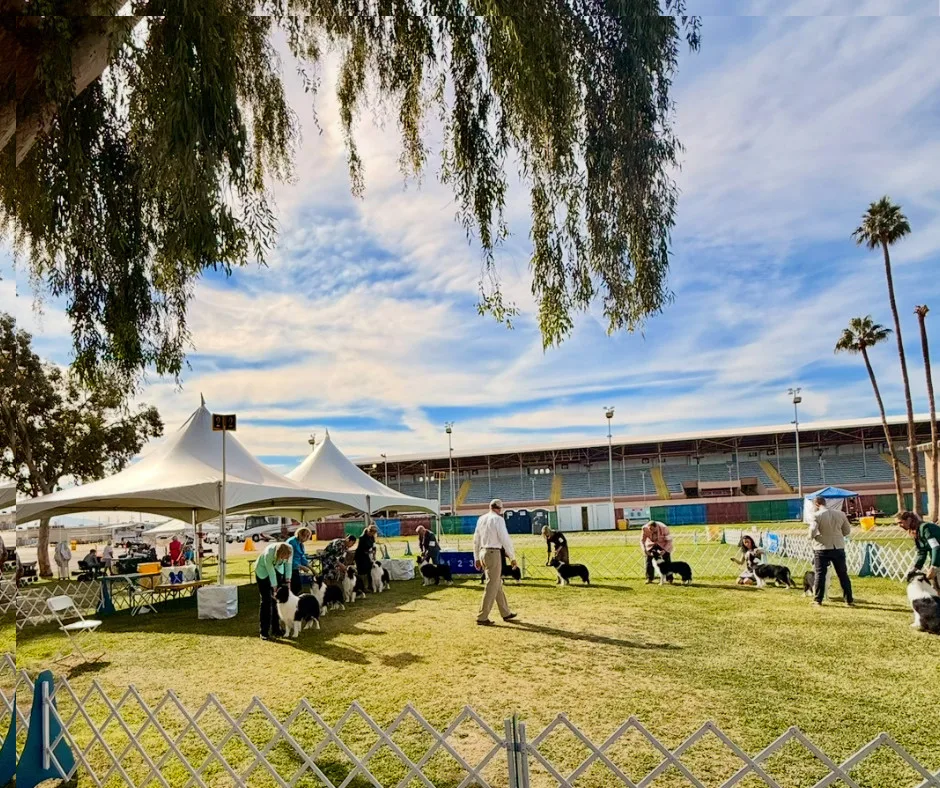
When I returned to showing dogs as an adult, I was surprised by how much of the process felt confusing at first. Everyone around me seemed to know where to look, what to enter, when to arrive, and how the weekend would unfold. Meanwhile I was jumping between websites, trying to understand judging panels, entry deadlines, and schedules that only made sense once you had already lived through a few shows.
If you have ever opened a premium list for the first time and felt like you were reading a different language, you are not alone.
Dog shows have a long history, and much of the knowledge is passed along informally. The challenge is that new exhibitors are often expected to understand the system before anyone explains how it works.
This guide is meant to change that. If you are new to showing, or thinking about getting started, here are the core pieces that make up a dog show weekend.
The Premium List: Where Everything Begins
The premium list is the official announcement for a dog show. It contains nearly everything you need to know before entering.
Inside a premium list you will find:
- The date and location of the show
- The judging panel
- Entry fees and closing date
- Classes offered
- Superintendent information
- Show hours and general rules
Think of the premium list as the blueprint for the weekend. Before entering any show, exhibitors review the judging panel and schedule to decide whether the show fits their plans.
Premium lists are often released one to three months before a show takes place, giving exhibitors time to plan entries and travel.
How the Timeline Usually Works
Dog show weekends follow a predictable timeline, even though each show is slightly different.
- Premium list released: Often one to three months before the show. This is when exhibitors first see the judging panel and entry information.
- Entries close: Typically about two weeks before the show date. After closing, no additional entries can be added.
- Judging program released: Usually five to seven days before the show. This is when ring numbers, judging times, and entry counts become available.
- Show weekend: Exhibitors use the judging program to plan arrival time, grooming, and ring preparation.
Understanding this sequence helps new exhibitors know what to look for and when.
The Judging Panel: Who Is Judging What
The judging panel lists the judges assigned to each breed and group for each day of the show.
This matters because judges rotate from day to day. The same dog may be shown under different judges across a weekend, each bringing their own experience and interpretation of the breed standard.
Experienced exhibitors often review judging panels before entering, especially if they are traveling long distances.
The Superintendent: The Organizer Behind the Scenes
Most AKC dog shows are managed by a superintendent. Companies such as Onofrio or MB-F handle entries, produce judging programs, and manage the administrative side of the event.
When you enter a show online, you are usually entering through the superintendent’s system. They also publish the judging program once entries close.
If you are unsure where to find information about a show, the superintendent’s website is often the best place to start.
The Judging Program: Your Roadmap for Show Day
The judging program is released a few days before the show and tells you exactly when and where you need to be.
This is one of the most important documents for exhibitors to understand.
A judging program includes:
- Ring numbers
- Start times for each breed
- Number of dogs entered
- The order breeds will be judged
- Group judging times
Your breed’s time is an estimated start time, not a guarantee. Judging can move faster or slower depending on absentees and ring flow, which is why exhibitors usually arrive early.
One of the best things a new exhibitor can do is arrive early and spend time watching the ring before their breed is called. Every judge has a slightly different rhythm and procedure. Some move quickly, others take more time examining each dog. Watching ahead of time helps you understand where exhibitors line up, how patterns are handled, and how the judge prefers to move dogs around the ring.
It also helps calm nerves. By the time it is your turn, the process feels familiar rather than uncertain.
Entry Deadlines and Closing Dates
Dog show entries close weeks before the actual event. Once entries close, no additional dogs can be added.
This surprises many new exhibitors. Planning ahead becomes part of the rhythm of showing dogs. Many exhibitors map out several weekends at a time so they do not miss closing dates.
What Happens on Show Day
On the day of the show, exhibitors check in at their ring before judging begins. Dogs are judged within their classes first, followed by Winners competition, and then Best of Breed.
If your dog wins Best of Breed, you advance to group judging later in the day.
The atmosphere can feel busy at first, but over time the routine becomes familiar. Most exhibitors are happy to help newcomers who ask questions.
Learning the Rhythm
Most people do not learn dog shows all at once. The first few weekends feel like a lot of information coming quickly. Over time, the pieces begin to connect. You recognize how judging programs are structured, you learn how different rings move, and you start to anticipate what comes next without thinking about it.
Nearly every experienced exhibitor remembers feeling unsure at the beginning. The difference is simply time in the ring and weekends spent learning by doing. Asking questions, watching others, and staying curious is part of how people find their footing in the sport.
A Final Thought
Dog shows can feel complicated at the beginning because much of the knowledge lives in experience rather than instruction. Every exhibitor remembers a first show where nothing quite made sense yet.
The goal is not to know everything immediately. It is simply to start.
ShowPoints began as a way to make this process easier to navigate, bringing judging information, show details, and planning tools into one place. The app reflects what I needed when I returned to the sport, and what many exhibitors have told me they need as well.
If you are just getting started, welcome. The learning curve gets easier, and the community is worth it.